

A slab leak is a water line leaking beneath the concrete foundation of your home, and because it is hidden, it can waste water and damage your house for weeks before you notice. Buckeye homes are almost all built on slabs, which makes recognizing the early signs one of the most valuable things a local homeowner can learn.
None of these signs alone proves a slab leak, but together they build a strong case for professional testing. Catching one early can be the difference between a targeted repair and major damage.
An Unexplained Jump in Your Water Bill

A slab leak runs continuously, so it shows up as water use you cannot account for. If your bill climbs sharply while your habits have not changed, that is one of the clearest early warnings.
You can test it yourself. Turn off every fixture and appliance that uses water, then watch the water meter. If the meter is still moving with everything off, water is escaping somewhere, and a line under the slab is a leading suspect.
Warm Spots on the Floor
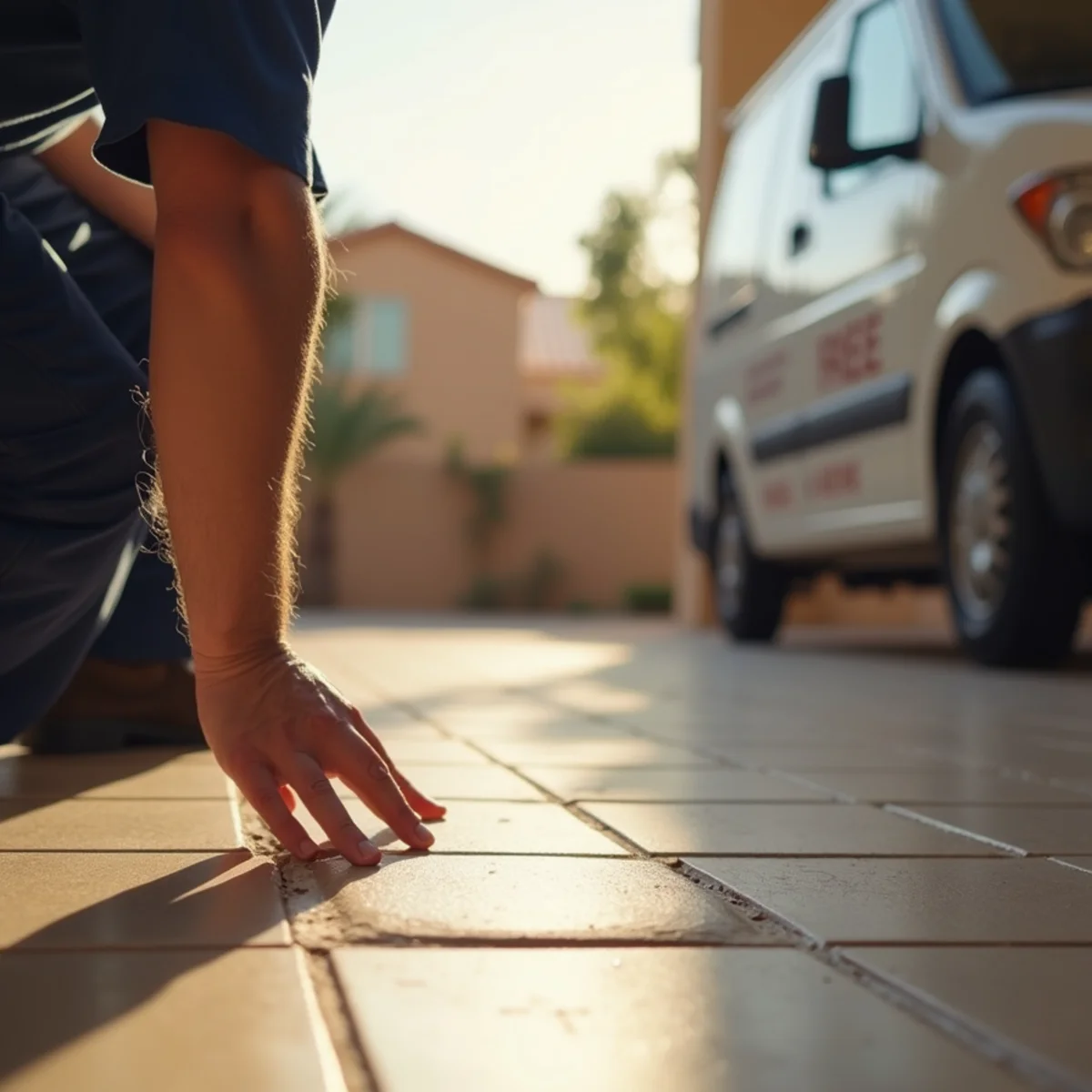
Many slab leaks occur on the hot water line, because hot water is harder on pipe than cold. When it leaks under the slab, it can warm a section of the floor above it. If you notice an unexplained warm patch on tile or stone, particularly one that was not there before, take it seriously.
On a bare foot or with a hand, a warm area of floor with no appliance or sunlight to explain it is a textbook slab leak symptom and worth investigating before it spreads.
The Sound of Running Water
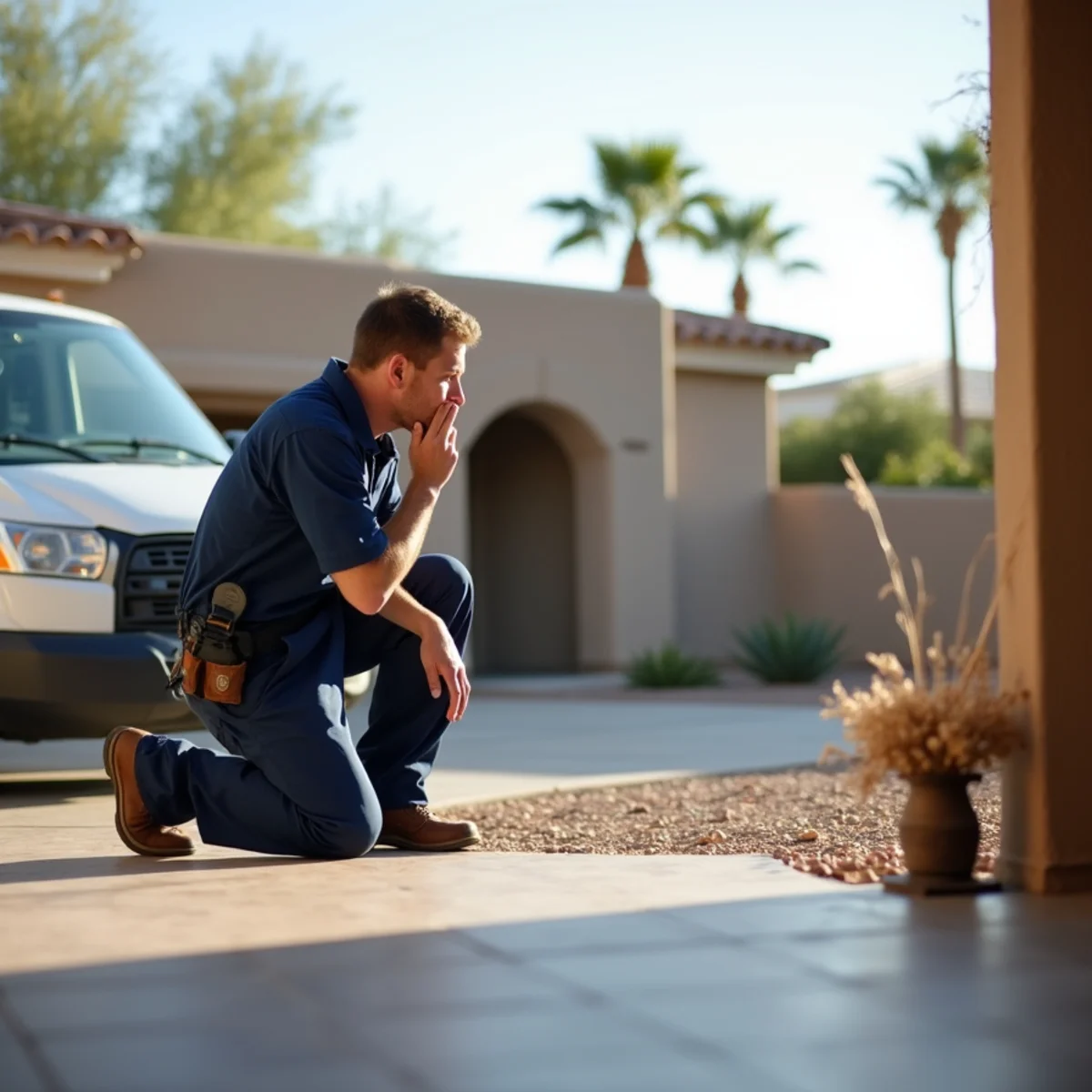
With the house quiet and all fixtures off, listen. A faint sound of running or hissing water, especially near the floor or a wall, can mean water moving through a break where none should be. It is subtle, and easy to dismiss, but it is a real clue.
Because slab leaks are pressurized, they can make this sound continuously. Homeowners often report first noticing it at night when the house is silent.
Moisture, Cracks, and Musty Smells
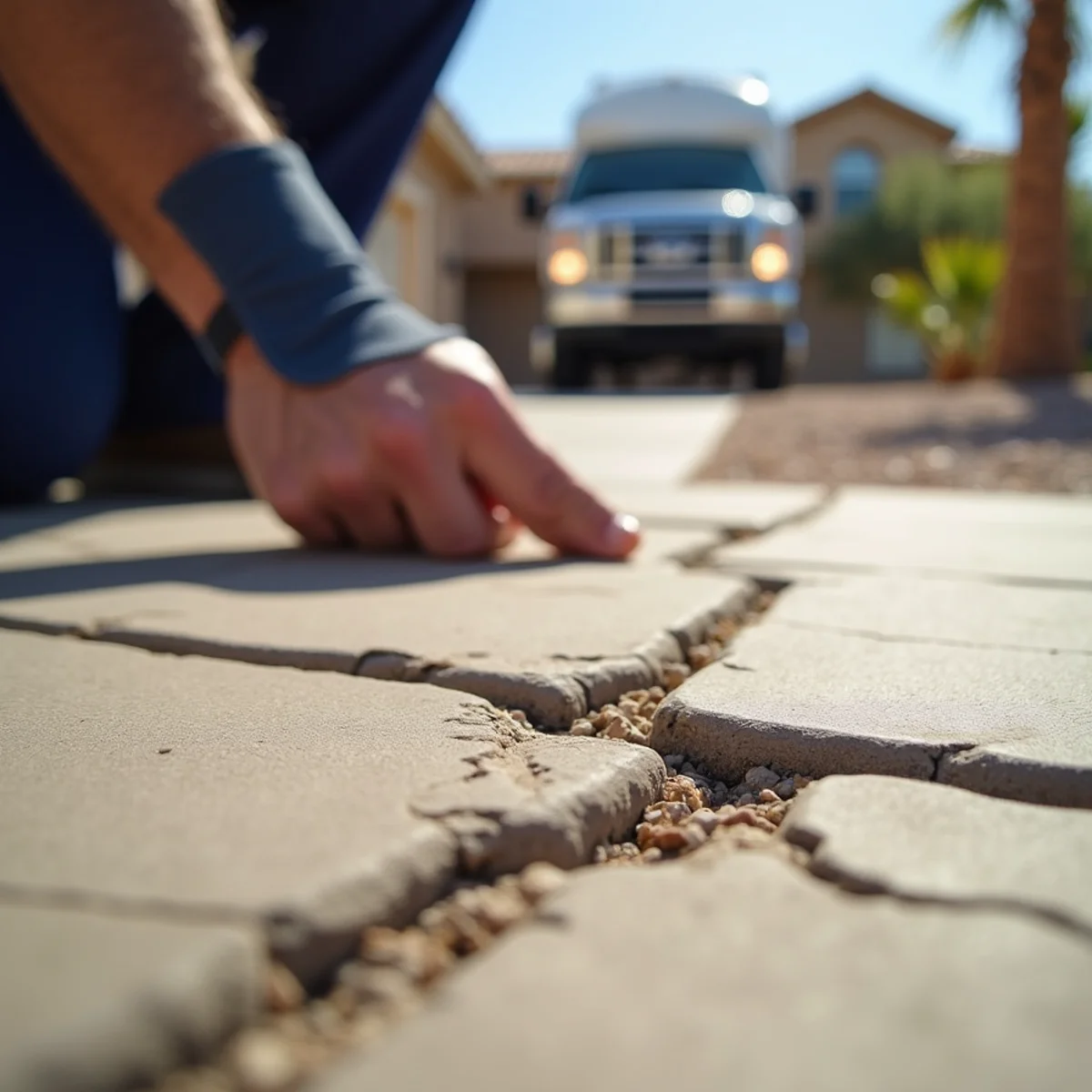
Water finding its way up through the slab shows itself in the finishes above. Look for damp or discolored spots on flooring, carpet that is inexplicably wet, warping in wood or laminate, and new cracks in tile or the foundation as moisture moves the slab.
A persistent musty or mildew odor, particularly in one area, points to moisture trapped under or within the floor. In a dry desert home, unexplained dampness of any kind deserves attention.
- Damp or discolored flooring with no spill to explain it
- Carpet that stays wet in one area
- New cracks in tile, flooring, or the foundation
- A musty or mildew smell that will not clear
- Low water pressure alongside the other signs
Why Buckeye Homes Are Prone to Them
Local conditions add up. Hard groundwater, often 15 to 20 grains per gallon, corrodes and scales pipes from the inside. Desert-clay soil that shifts and hard caliche layers stress the lines running through the foundation. Extreme heat and high pressure finish the job. That combination is why slab leaks are a recurring theme in West Valley plumbing.
If you recognize several of these signs, the next step is professional leak detection, not cutting concrete on a guess. Madrid Plumbing serves Buckeye and nearby Goodyear with acoustic and pressure testing that pinpoints a slab leak before any slab leak repair begins, so the work is targeted and the floor damage is minimized.
What to Do the Moment You Suspect One
If several of these signs line up, do not wait to see whether they go away, because a slab leak only gets worse and more expensive with time. Start with the meter test to confirm water is escaping, then note everything you have observed, such as when the warm spot appeared, how much your bill jumped, and where you hear running water. Those details help a technician zero in faster.
Resist two common mistakes. The first is ignoring it, hoping a small anomaly resolves on its own, which lets water quietly undermine your foundation and finishes for weeks. The second is letting anyone cut into your slab on a guess, since a missed guess costs you twice, in the failed repair and in the floor damage. Professional detection first, repair second, is always the right order. The sooner detection happens, the smaller the affected area tends to be, which keeps both the plumbing repair and the floor restoration to a minimum and gives you the most options for how to fix it.
- Run the meter test to confirm continuous water loss
- Write down when and where you noticed each symptom
- Reduce water use until the leak is located
- Insist on leak detection before any concrete is cut
How Madrid Plumbing Can Help
Frequently Asked Questions
Often it is an unexplained increase in your water bill, since a slab leak runs continuously. Turning off all water and watching whether the meter still moves is a simple first test. Warm floor spots and the sound of running water are other early signs.
No. A slab leak is a pressurized line leaking under concrete, and it will continue and usually worsen until it is repaired. Delaying repair risks foundation damage, mold, and much higher costs, so early detection matters.
They use acoustic listening equipment, pressure testing, and sometimes thermal imaging to pinpoint the leak location before any concrete is cut. Accurate detection narrows the work area and minimizes floor damage during the repair.