Whole-home repiping replaces the water supply lines throughout your house, and it is one of the larger investments a homeowner makes in their plumbing. It is also one of the most worthwhile when the existing pipes are failing, because it ends the cycle of repeated leaks and restores water quality and pressure.
The two questions that matter are whether your home actually needs it and what it will cost. This guide covers the warning signs, the benchmark pricing for the Phoenix area, and why aging communities like Sun City see more repipes than newer suburbs.
Signs Your Home May Need Repiping
A single leak is a repair. A pattern of leaks is a message. When you find yourself calling a plumber for pinhole leaks or failed fittings more than once, the piping itself is likely at the end of its service life, and continuing to patch it costs more over time than replacing it.
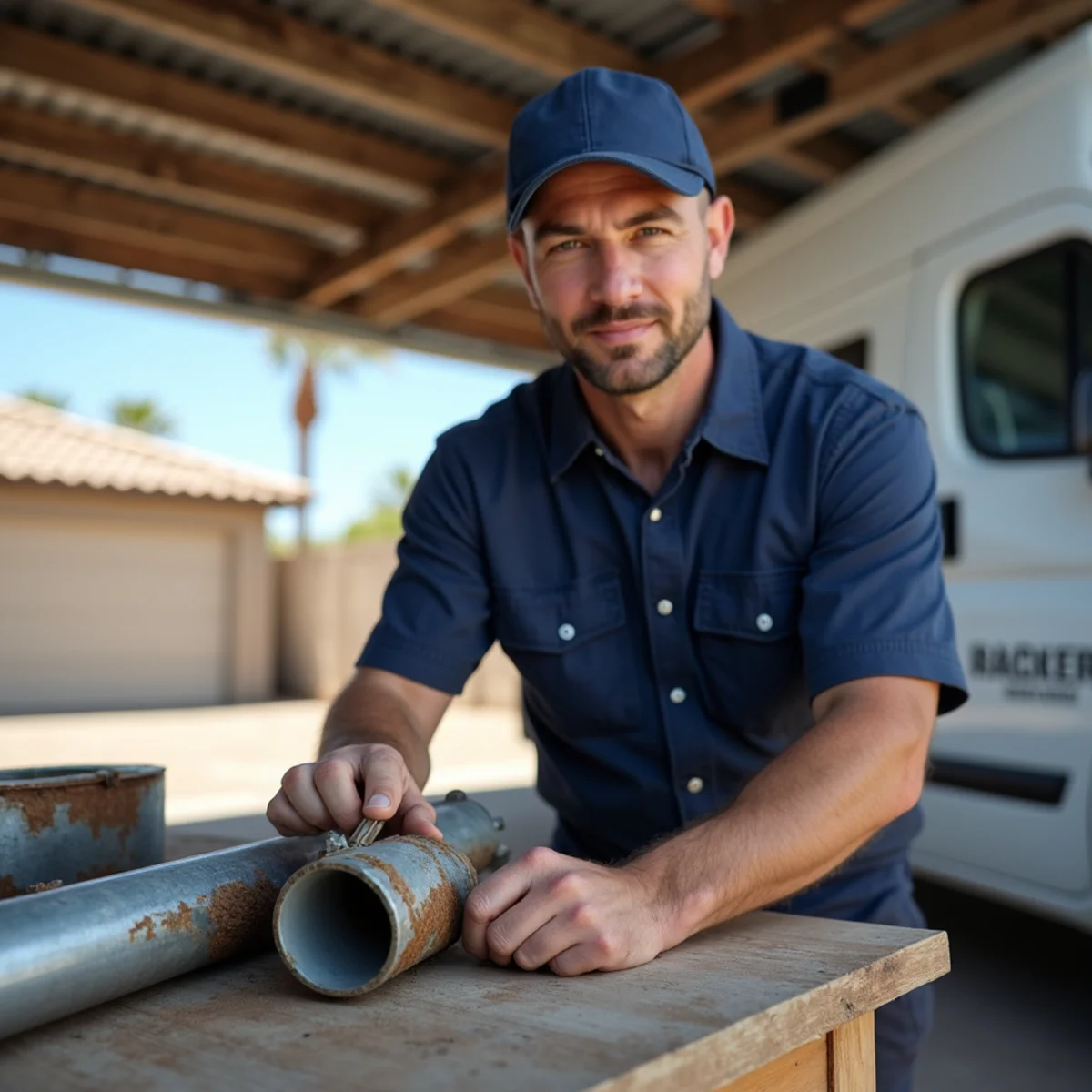
Water quality and pressure tell the same story. Discolored or rusty water, especially after the taps have sat unused, points to corroding pipes. Low or inconsistent pressure across multiple fixtures, and water that changes temperature when another tap opens, can both reflect scaled and narrowing lines.
- Repeated pinhole leaks or failed fittings
- Rusty, discolored, or metallic-tasting water
- Low or fluctuating water pressure at several fixtures
- Old galvanized steel piping in an older home
- Visible corrosion on exposed pipes in the garage or attic
The Benchmark Cost
For the Phoenix market, a whole-house PEX repipe commonly runs in the range of about $4,800 to $7,000, though larger homes with more bathrooms and difficult access can exceed that. The figure reflects not just the pipe but the labor to open and close walls, the fittings, permits, pressure testing, and cleanup.
That is a real investment, but it should be weighed against the running cost of an aging system: repeated repair calls, water damage risk, higher bills from leaks, and the daily nuisance of poor pressure and discolored water. A repipe done once often costs less over a decade than the leaks it prevents.
Why PEX Is the Common Choice
Most modern repipes in Arizona use PEX tubing. It resists the scale and corrosion that hard water inflicts on metal pipe, it flexes rather than bursting as readily in temperature swings, and it installs with fewer fittings, which means fewer potential leak points. For a desert climate with hard groundwater, those are meaningful advantages.
A quality repipe quote should identify your existing pipe material, the access required, the number of fixtures and branches, permits, and the warranty. Ask whether the scope covers every branch line, the drywall repair, the pressure test, and the cleanup, so a low number that leaves work out does not mislead you.
Older Homes and the Sun City Factor
Aging communities feel this most. Homes built in the 1960s and 1970s, common in Sun City, were often plumbed with galvanized steel that corrodes from the inside out over decades. Combined with hard West Valley groundwater, that piping frequently reaches the point where repiping is the sensible fix rather than another patch.
If you own an older home and are seeing the warning signs above, a professional assessment tells you whether you truly need a full repipe or whether targeted work will do. Madrid Plumbing provides repiping services across Sun City and the West Valley and gives free, itemized estimates so you can plan the project with clear numbers.
Planning the Project
A repipe is disruptive but not endless. Most whole-home projects take a few days, with the water off for portions of the work and drywall patching following the pipe installation. A good contractor explains the timeline, protects your floors and furnishings, and pulls the required permit so the work is inspected.
It is also a smart moment to address water quality at the source. Pairing a repipe with a water softener protects the new PEX and every fixture from the scale that shortened the life of the old system, which is worth discussing while the walls are already open.
Repair or Repipe: Making the Call
The hardest decision is knowing when to stop repairing and commit to a repipe. A useful test is frequency and pattern: one isolated leak on an otherwise sound system is a repair, but two or three failures on the same aging piping within a year or two signal that the material itself is spent. Continuing to patch a failing system means paying repeatedly and still living with poor pressure and discolored water.
Ask any contractor what evidence supports the recommendation and what happens if a spot repair does not hold. For homes with original galvanized piping, or lines heavily corroded by decades of hard water, the math often favors repiping once over an open-ended series of repairs. A free, itemized estimate lets you compare the true long-term cost of each path rather than just the price of the next repair.
How Madrid Plumbing Can Help
Frequently Asked Questions
As a Phoenix-area benchmark, a whole-house PEX repipe commonly runs about $4,800 to $7,000, with larger or harder-to-access homes costing more. The quote should include pipe, labor, fittings, permits, pressure testing, drywall repair, and cleanup.
Repeated pinhole leaks, rusty or discolored water, low or fluctuating pressure across multiple fixtures, and old galvanized steel piping are the main signs. A professional assessment confirms whether a full repipe or targeted repairs are the right call.
Yes. PEX resists the scale and corrosion caused by hard water, tolerates temperature swings well, and uses fewer fittings, which means fewer leak points. It is the common and cost-effective choice for repipes in the desert climate.